

Raised garden beds offer an excellent way to grow plants in controlled, productive environments, and choosing the right size is one of the most important decisions you’ll make when planning your garden. A well-sized bed ensures optimal plant health, ease of access, and efficient use of space. Whether you’re planting a few herbs on your patio or building a full backyard vegetable garden, here are the key considerations to help you choose the ideal raised bed size.
1. Evaluate Your Space

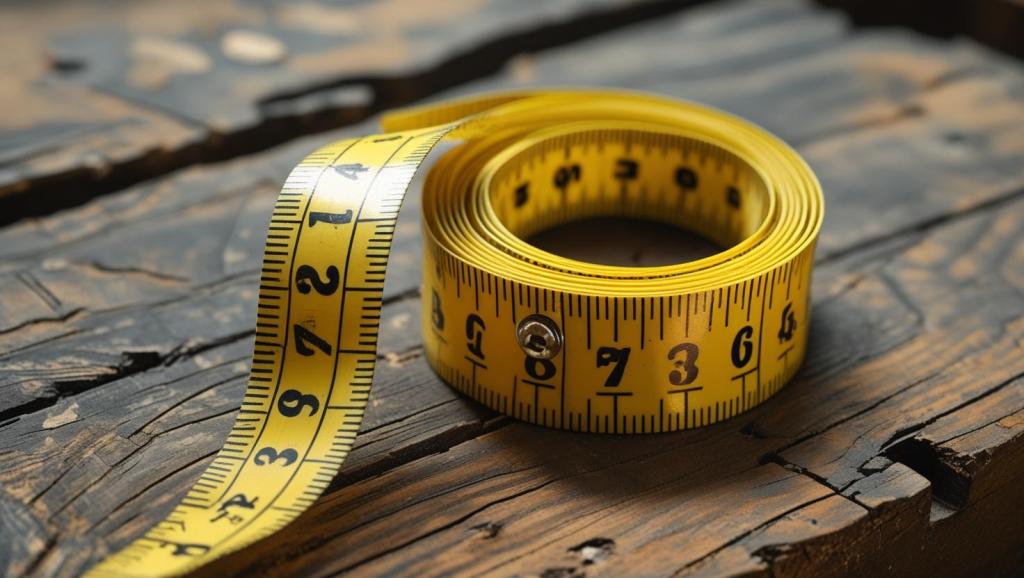
The first step is measuring the area where you plan to place your garden bed. Consider:
- Available square footage – Be realistic about what fits without overcrowding other outdoor activities.
- Sunlight exposure – Most edible plants need 6–8 hours of sunlight per day.
- Pathways and access – Leave space around your bed for walking and working.
If you’re gardening on a balcony, deck, or small patio, smaller beds or planter boxes may be ideal.
2. Width: Reach Without Strain

Most gardeners find that a bed width of 3 to 4 feet is ideal. This allows you to reach the center from either side without stepping into the bed, which helps prevent soil compaction and makes tending to your plants easier.
- 4 feet wide is standard for backyard beds.
- 2 to 3 feet wide works well along fences or walls.

3. Length: Customize to Fit Your Yard
The length of a raised bed is flexible and depends largely on your available space. Common lengths include:
- 4, 6, and 8 feet – These are easy to manage and popular in pre-built kits.
- Up to 12 feet or more for long garden rows.
Modular beds can also be added end-to-end to grow as your garden expands.
4. Height: Consider Your Plants and Comfort

Standard raised bed heights range from 6 to 24 inches, but can be built taller.
- 6–8 inches: Minimum for shallow-rooted crops (lettuce, spinach).
- 12 inches: Good for most vegetables.
- 18–24 inches: Better for deep-rooted plants (carrots, tomatoes) and less bending.
- 30+ inches: Ideal for gardeners with mobility issues or for raised beds on patios.
Keep in mind, the deeper the bed, the more soil and water it will require.
5. Match Size to Purpose

- Herb Garden: 2×2 feet or small planters.
- Cut Flower Bed: 3×6 feet.
- Full Vegetable Bed: 4×8 feet or larger.
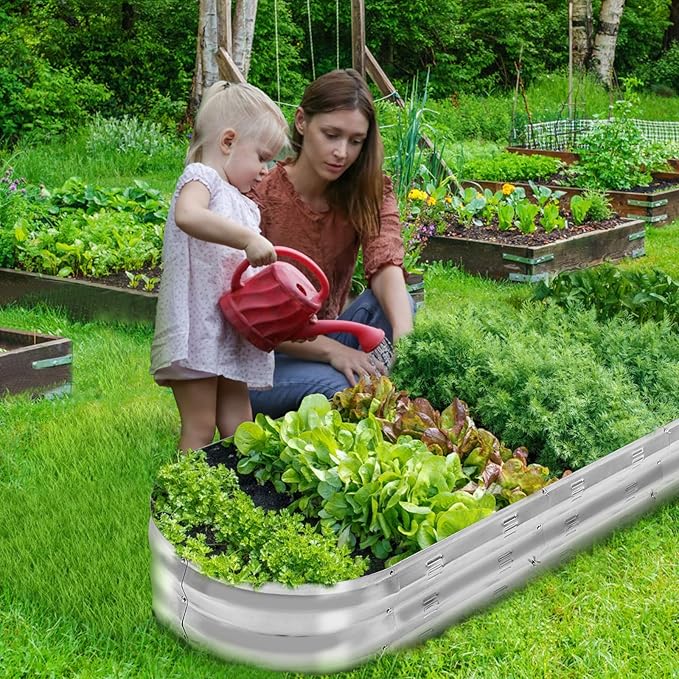
- Kids’ Garden: Low and narrow beds for safe, easy access.
6. Soil and Water Considerations
Larger and deeper beds hold more soil, which retains moisture and nutrients better but also increases cost. If water conservation is a concern, start with smaller, deeper beds and add mulch to reduce evaporation.
Final Thoughts
Choosing the right size raised garden bed is about balancing your space, accessibility, and gardening goals. Start with what feels manageable, and don’t be afraid to expand later. A well-sized bed will make gardening more enjoyable and productive for years to come.
Galvanized Raised Beds

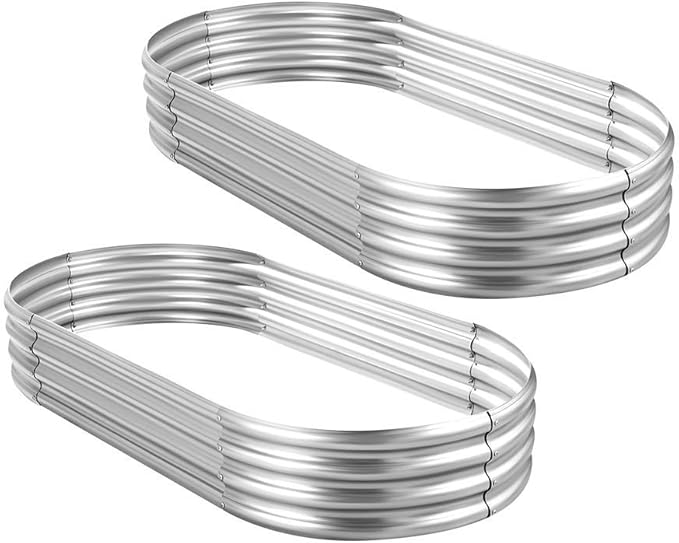

Tall Beds


Urban Space Saving Garden



 Burgoon Home Haven LLC
You must be logged in to post a comment.